


(₹40.00 Per Kg)
Cabbage (Pata Gobi)
Scientific Name: Brassica oleracea var. capitata
Cabbage is a leafy green or purple vegetable known for its versatility and use in a wide variety of culinary dishes. Here are some details about cabbage:
Scientific Name: Brassica oleracea var. capitata
Appearance: Cabbage typically has a round or oval shape with tightly packed, overlapping leaves that form a dense head. The color of cabbage can vary, with green and red (purple) being the most common varieties. The leaves are smooth and waxy in texture.
Flavor and Texture: Cabbage has a crisp and crunchy texture when raw. The flavor can range from mild and slightly sweet to peppery, depending on the variety and how it's prepared. Cooking cabbage can mellow its flavor and soften its texture.
Nutritional Content: Cabbage is a nutrient-dense vegetable, offering several health benefits. It is a good source of:
Vitamin C: Cabbage is rich in vitamin C, an antioxidant that supports the immune system and helps the body absorb iron from plant-based foods.
Vitamin K: Cabbage provides vitamin K, which is important for blood clotting and bone health.
Fiber: Cabbage contains dietary fiber, which aids in digestion and can contribute to feelings of fullness.
Folate: It also contains folate, a B-vitamin important for cell division and the formation of DNA.
Phytonutrients: Cabbage contains various phytonutrients, such as glucosinolates, which are thought to have cancer-fighting properties.
Health Benefits: Eating cabbage can have several health benefits, including:
Antioxidant Properties: The high vitamin C content and other antioxidants in cabbage can help protect cells from damage caused by free radicals.
Digestive Health: The fiber in cabbage promotes healthy digestion and can aid in preventing constipation.
Heart Health: Cabbage is low in calories and can be part of a heart-healthy diet. Its fiber content may help lower cholesterol levels.
Cancer Prevention: Some studies suggest that the phytonutrients in cabbage may have protective effects against certain types of cancer.
Culinary Uses: Cabbage is a versatile vegetable that can be used in various ways:
Raw: Cabbage can be thinly sliced and added to salads, coleslaws, and sandwiches.
Cooked: Cabbage can be steamed, boiled, stir-fried, or roasted as a side dish or included in soups, stews, and casseroles.
Fermented: Cabbage is a key ingredient in sauerkraut and kimchi, both of which are fermented cabbage dishes.
Stuffed: Cabbage leaves can be stuffed with a mixture of meat, rice, and seasonings to create dishes like cabbage rolls.
Storage: To keep cabbage fresh, store it in the refrigerator in a plastic bag or airtight container. Whole heads of cabbage can last for several weeks when stored properly.
In summary, cabbage is a nutritious and versatile vegetable with a range of culinary uses. It provides essential vitamins, minerals, and dietary fiber, making it a healthy addition to your diet.
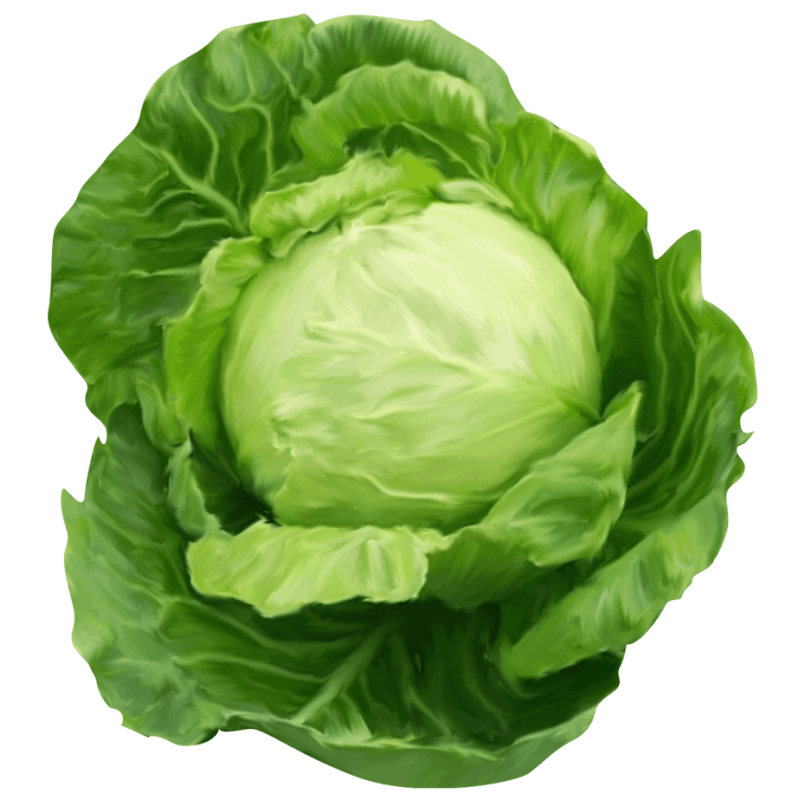
Cabbage (Pata Gobi)
Scientific Name: Brassica oleracea var. capitata