
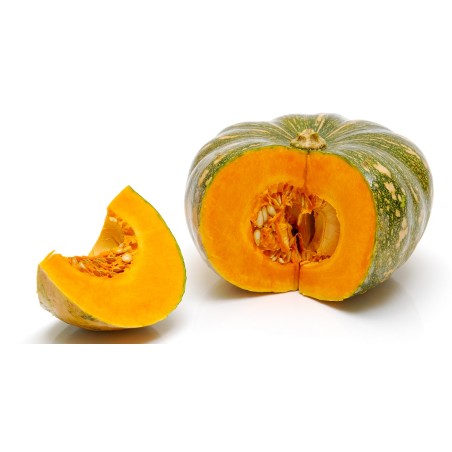

(₹80.00 Per Kg)
Pumpkin (Gaddu)
Scientific Name: Cucurbita pepo
Pumpkin is a type of winter squash that belongs to the Cucurbitaceae family, and it is known for its distinctive round or oblong shape, vibrant orange color (although other varieties can be green or even white), and sweet, earthy flavor. Here are some details about pumpkins:
Scientific Name: Cucurbita pepo (commonly referred to as the field pumpkin) or various other species and cultivars, including Cucurbita maxima and Cucurbita moschata.
Appearance: Pumpkins come in various sizes and shapes, ranging from small, pie-sized pumpkins to large, carving-sized ones. They have a thick, hard rind that can be smooth or deeply ribbed, and their interior is filled with seeds and orange flesh.
Flavor and Texture: Pumpkin has a sweet, nutty flavor with a mild earthy undertone. The texture of pumpkin flesh can vary depending on how it's cooked. When cooked, it becomes soft and smooth, making it suitable for both sweet and savory dishes.
Nutritional Content: Pumpkin is a highly nutritious vegetable that offers several health benefits. It is a good source of:
Vitamins: Pumpkin is rich in vitamin A (in the form of beta-carotene), vitamin C, and various B vitamins, including folate.
Minerals: It contains minerals such as potassium, magnesium, and iron.
Dietary Fiber: Pumpkin is high in dietary fiber, which supports digestive health and can help regulate blood sugar levels.
Antioxidants: The orange color of pumpkin flesh is due to the presence of beta-carotene, a powerful antioxidant that may have various health benefits.
Health Benefits: Consuming pumpkin can have several potential health benefits, including:
Eye Health: The beta-carotene in pumpkin is converted into vitamin A in the body, which is essential for good vision and eye health.
Heart Health: The fiber and potassium in pumpkin may help reduce the risk of heart disease by supporting healthy blood pressure and cholesterol levels.
Immune Support: Vitamin C, along with other nutrients in pumpkin, can boost the immune system.
Weight Management: The fiber content in pumpkin can aid in weight management by promoting satiety and reducing overall calorie intake.
Skin Health: Antioxidants in pumpkin may contribute to healthier skin by protecting it from damage caused by free radicals.
Culinary Uses: Pumpkin is a versatile vegetable and can be used in a wide range of culinary dishes, including:
Pumpkin Pie: A classic dessert made with pumpkin puree, spices, and a pie crust.
Soups: Pumpkin is a common ingredient in creamy pumpkin soup or hearty stews.
Roasted: Pumpkin can be cut into chunks or wedges, seasoned, and roasted until tender.
Pumpkin Puree: Pumpkin puree can be used as a base for muffins, pancakes, and other baked goods.
Pumpkin Seeds: Pumpkin seeds, also known as pepitas, can be roasted and enjoyed as a crunchy snack or used as a salad topping.
Storage: Whole pumpkins can be stored in a cool, dry place for several weeks. Once cut, pumpkin should be wrapped and refrigerated and used within a few days. Alternatively, you can freeze pumpkin puree for longer-term storage.
In summary, pumpkin is a nutritious and versatile vegetable that is commonly used in a variety of culinary dishes, from pies to soups. It is valued for its potential health benefits and delightful flavor, especially during the fall season.
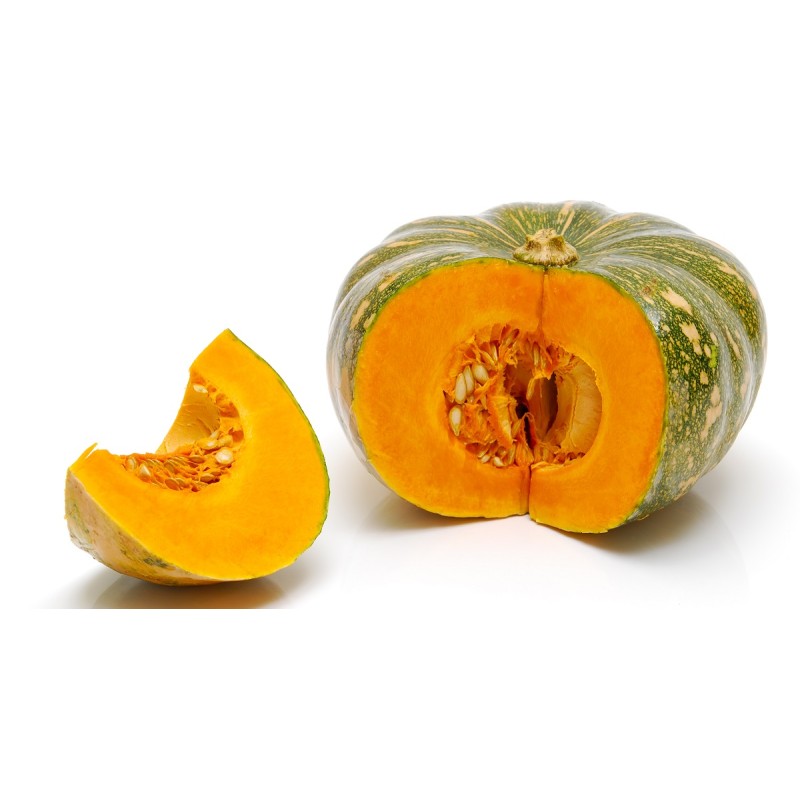
Pumpkin (Gaddu)
Scientific Name: Cucurbita pepo