


(₹80.00 Per Kg)
Taro Root (Arbi)
Taro root, known as "arbi" in Hindi, is a starchy tuberous root vegetable that belongs to the Araceae family. It is a versatile ingredient used in various culinary traditions around the world. Here are some details about taro root: 1. Appearance: - Taro roots have an irregular, bulbous shape with a rough and hairy outer skin. - The color of the skin can vary from brown to purplish-black. - The flesh of taro root is usually white, cream, or light purple, depending on the variety. - Taro leaves, which are also edible, are heart-shaped and can vary in color from green to dark purple. 2. Culinary Uses: - Taro root is a versatile ingredient that can be prepared in numerous ways. - It is often boiled, steamed, or roasted and used in savory dishes. - Taro root can be mashed to make a creamy side dish or used as a thickening agent in soups and stews. - In some cuisines, taro is used to make chips, fries, or desserts like taro ice cream or taro pudding. - Taro leaves, known as "taro leaves" or "colocasia leaves," are used in various traditional dishes and stews, particularly in Southeast Asian and Indian cuisine. 3. Flavor Profile: - Taro root has a mild, nutty flavor when cooked. - The taste is slightly earthy and starchy, similar to that of potatoes, but with a unique flavor. 4. Nutritional Value: - Taro root is a good source of carbohydrates and provides essential nutrients. - It is a rich source of dietary fiber, which supports digestive health. - Taro contains vitamins such as vitamin A, vitamin C, and several B vitamins. - The root also contains minerals like potassium, manganese, and magnesium. - Taro root is relatively low in fat and calories. 5. Health Benefits: - Taro root offers several potential health benefits: - The dietary fiber in taro supports weight management and digestive regularity. - Taro root provides essential nutrients that contribute to overall health. - It is a good source of energy due to its carbohydrate content. - Taro root is gluten-free, making it suitable for those with gluten sensitivities. 6. Availability: - Taro root is available year-round in many regions. - It can be found in grocery stores, supermarkets, and Asian markets. 7. Cooking Tips: - When selecting taro root, choose those that are firm and free from soft spots or blemishes. - Taro root should be peeled before cooking, as the skin contains compounds that can cause skin irritation in some individuals. - To prepare taro root, wash, peel, and then cook it as desired, such as boiling, steaming, or roasting. - Taro leaves are typically cooked in a similar manner to spinach or other leafy greens. Taro root is a versatile and nutritious ingredient that adds a unique flavor and texture to a variety of dishes. It is a staple in many traditional cuisines and provides valuable nutrients, making it a valuable addition to a balanced diet.
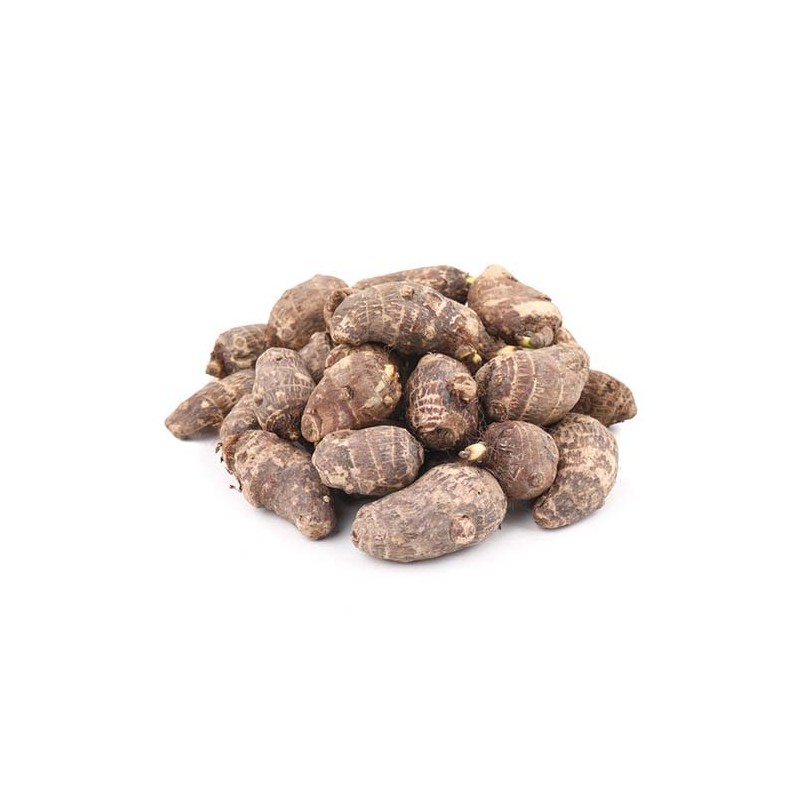
Taro Root (Arbi)