

(₹60.00 Per Kg)
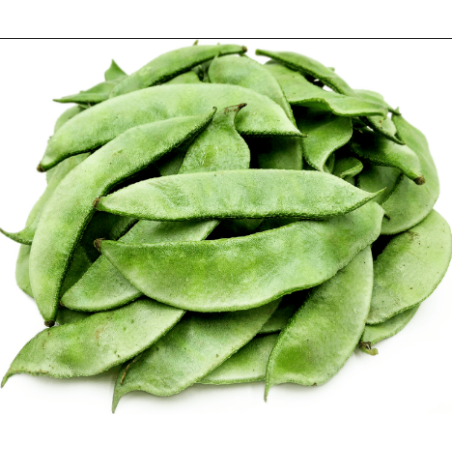
Broad Beans (Sem)
Broad beans, also known as "sem" in Hindi and by various other names in different regions, are a type of legume known for their large, flat, and edible seeds enclosed in a thick pod. Here are some details about broad beans (sem): **Scientific Name**: Vicia faba **Physical Characteristics**: - Broad beans are larger than many other types of beans and have a distinctive flattened shape. - The pods of broad beans are typically thick, slightly curved, and can range in length from 4 to 8 inches (10 to 20 centimeters). - Inside the pod, the beans are arranged in a row and are usually green when fresh, although some varieties may have brown beans. **Cultivation**: - Broad beans are an annual cool-season crop that is grown in many parts of the world. - They are typically sown in the late winter or early spring when temperatures are cooler. - These plants have a strong root system and can grow up to 3 feet (1 meter) in height. - Broad beans are often grown in gardens and can also be cultivated on a larger scale in agriculture. **Harvesting**: - Broad beans are typically harvested when the pods are still green and before they become tough and fibrous. - The beans inside the pods are usually at their best when they are plump and tender. - The timing of harvest depends on the specific variety and local growing conditions. - Pods are usually picked by hand, and the beans are removed from the pods for consumption. **Varieties**: - There are several different varieties of broad beans, with variations in size, color, and flavor. - Some popular types include Windsor, Aquadulce Claudia, and Super Aquadulce. - Varieties can differ in terms of the size of the beans and the overall plant growth habit. **Culinary Uses**: - Broad beans are used in a variety of culinary applications. - They can be steamed, boiled, stir-fried, or roasted and are often served as a side dish. - In some cuisines, they are used in soups, stews, and salads. - Broad beans can also be pureed and used in dips and spreads. **Nutritional Value**: - Broad beans are a good source of essential nutrients, including protein, dietary fiber, vitamins (such as folate and vitamin K), and minerals (including iron, magnesium, and potassium). - They are relatively low in fat and calories. **Storage**: - Fresh broad beans should be stored in the refrigerator and used within a few days to maintain their freshness. - If you want to store them for a longer period, you can blanch and freeze them. **Health Benefits**: - Broad beans are a nutritious food and can be part of a healthy diet. - They are a good source of plant-based protein, making them a valuable choice for vegetarians and vegans. - The dietary fiber in broad beans supports digestive health. - They are a good source of folate, which is important for cell division and the formation of DNA. In summary, broad beans (sem) are a nutritious legume known for their large, flat seeds. They are used in various culinary preparations and are valued for their nutritional content and versatility in the kitchen.

Broad Beans (Sem)